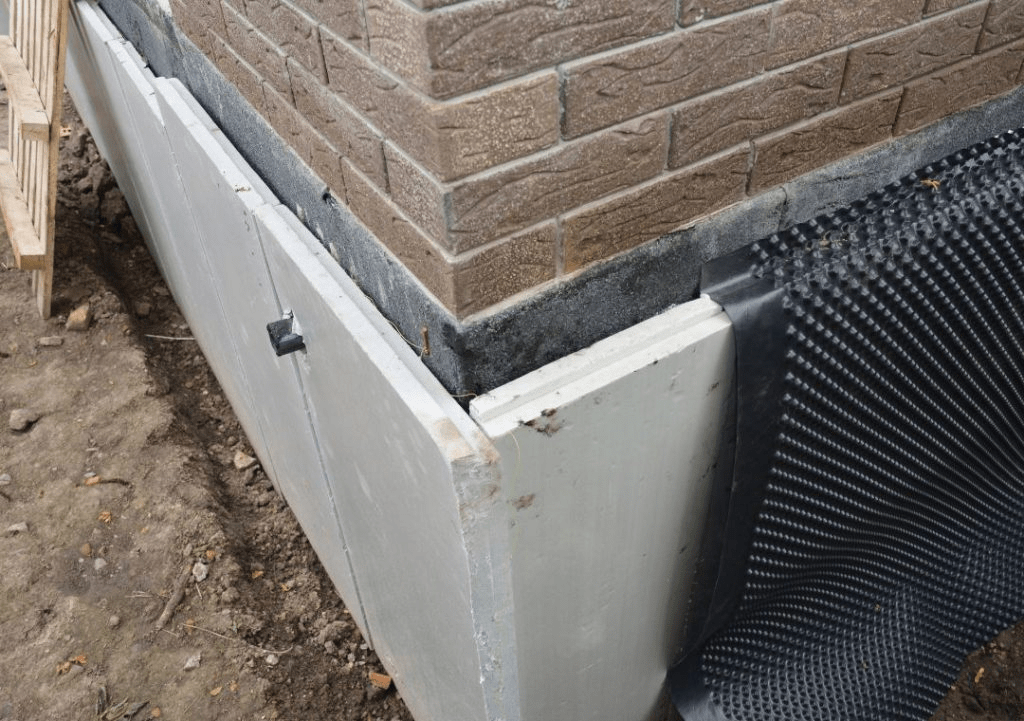
If you have seen multiple signs of mildew and rot on the walls of your home, then it damp experts near me is highly possible that you have missed your damp proof course appointment. But what is damp proofing, and what is this damp proof course that you need to take care of? Well, damp proofing is nothing but a process that helps prevent mold growth, which could lead to structural damage. It also helps in moisture control, especially where water accumulates, such as on walls and floors. To understand why this occurs, let us take a look at a few of the causes of dampness along with some of the dampness prevention methods in this article.
Causes of Dampness
Understanding why dampness occurs and what the causes of dampness are, is essential if you want to find an effective solution. Here are some of the major factors which contribute to the dampness in buildings:
Poor ventilation
Improper airflow is one of the major concerns due to which there is often dampness occurring in the rooms. A good ventilation system is hence essential to allow fresh air to continuously circulate and reduce any chances of dampness.
Leaking pipes
Leaky pipes which are attached to the walls tend to cause water seepage which also leads to dampness in floors and walls. Regular checking of these pipes and plumbing inspections along with proper maintenance is important when it comes to reducing the chances of dampness.
Inadequate waterproofing
Inadequate waterproofing is one of the main causes of dampness in buildings. This could lead to water penetration through not just walls but also floors, which could destroy the parts of your building.
Moisture from ground
Damping problems can also occur from groundwater seepage into your building’s strong foundation. The water tends to travel upwards due to the capillary action. This can cause accumulation of water in both floors and walls.
Poor drainage
Improper drainage systems also lead to water being collected around the building, which seeps easily into the building and causes dampness.
High humidity
Areas where humidity levels are quite high are more easily prone to dampness. Excess amounts of moisture could lead to air being condensed on surfaces which contributes highly to dampness.
Water leakage
Rainwater leakage is also one of the major causes of dampness in buildings. Due to poor concrete with high porosity, it is highly possible that it can absorb water and lead to water seeping through the structure.
Rising damp
Soil present near the foundation of your building also consists of a lot of water content. Some of the elements of bricks and concrete walls tend to be porous in nature which leads to rising dampness where water gets in through capillary action and you find dampness at various floor levels.
Penetrating damp
Water can also travel through the walls from outside. This can be mainly due to leaking roofs or guttering, or even a simple crack in the wall can help the penetration of water, leading to penetrating dampness.
 Site Title